
Vestibular Rehabilitation at Axis Wellness
Vestibular rehabilitation is a physiotherapy-based approach that may be considered by people experiencing dizziness, vertigo, unsteadiness, or difficulty keeping their vision steady while moving. It typically begins with an individual assessment and may involve a tailored exercise program focused on balance, gaze stability, and movement.
The appropriate approach depends on the person's symptoms, assessment findings, health history, and everyday needs. Individual suitability and outcomes vary.

What Is Vestibular Rehabilitation?
The vestibular system contributes to our sense of orientation and balance. It works together with the eyes, inner ear, brain, muscles, and joints to help the body respond to movement and keep vision stable when the head moves.
When balance and movement signals are not working together as expected, a person may notice dizziness, spinning sensations, unsteadiness, or difficulty maintaining visual focus during head movement. These experiences can make activities such as walking, turning, bending, or looking around feel more difficult.
Vestibular rehabilitation is a physiotherapy approach that considers how these symptoms affect an individual. Following an assessment, a practitioner may develop an exercise plan intended to address relevant balance, movement, or gaze-stability concerns. It is not a standard set of exercises that is the same for everyone.
How Vestibular Rehabilitation May Help
Vestibular Rehabilitation at Axis Wellness
-
Dizziness and Vertigo
People may ask about vestibular rehabilitation when they experience dizziness or a sensation that they or their surroundings are moving. Understanding when the sensation occurs, what it feels like, and what may trigger it is an important part of considering the next step.
-
Balance and Stability
Where appropriate, an exercise plan may include balance activities designed around the person's current abilities and needs. This may be relevant when someone feels unsteady or is concerned about balance during everyday movement.
-
Gaze Stability
Some people notice that their vision becomes less steady when they move their head. A practitioner may consider gaze-stabilization exercises when suitable, with the aim of working on coordination between head movement and visual focus.
Who May Consider Vestibular Rehabilitation?
People explore vestibular rehabilitation for different reasons. Some experience short episodes of spinning or vertigo associated with particular changes in head or body position. Others report a more general feeling of dizziness or unsteadiness during routine activities. Difficulty keeping vision steady while walking or turning the head may also prompt someone to ask about an assessment.
Benign paroxysmal positional vertigo (BPPV) is one condition associated with brief episodes of vertigo triggered by certain position changes. Positional dizziness alone does not establish that BPPV is the cause, so individual assessment is important.
Dizziness can have several possible explanations, including issues involving the inner ear. Symptoms should not automatically be attributed to one cause without appropriate assessment and consideration of the person's circumstances.
Balance difficulties or concerns about falling may also lead someone to ask about vestibular rehabilitation. An assessment can help explore balance and determine whether a structured exercise approach is appropriate. No particular symptom improvement or outcome can be guaranteed.
What May Happen During an Assessment?
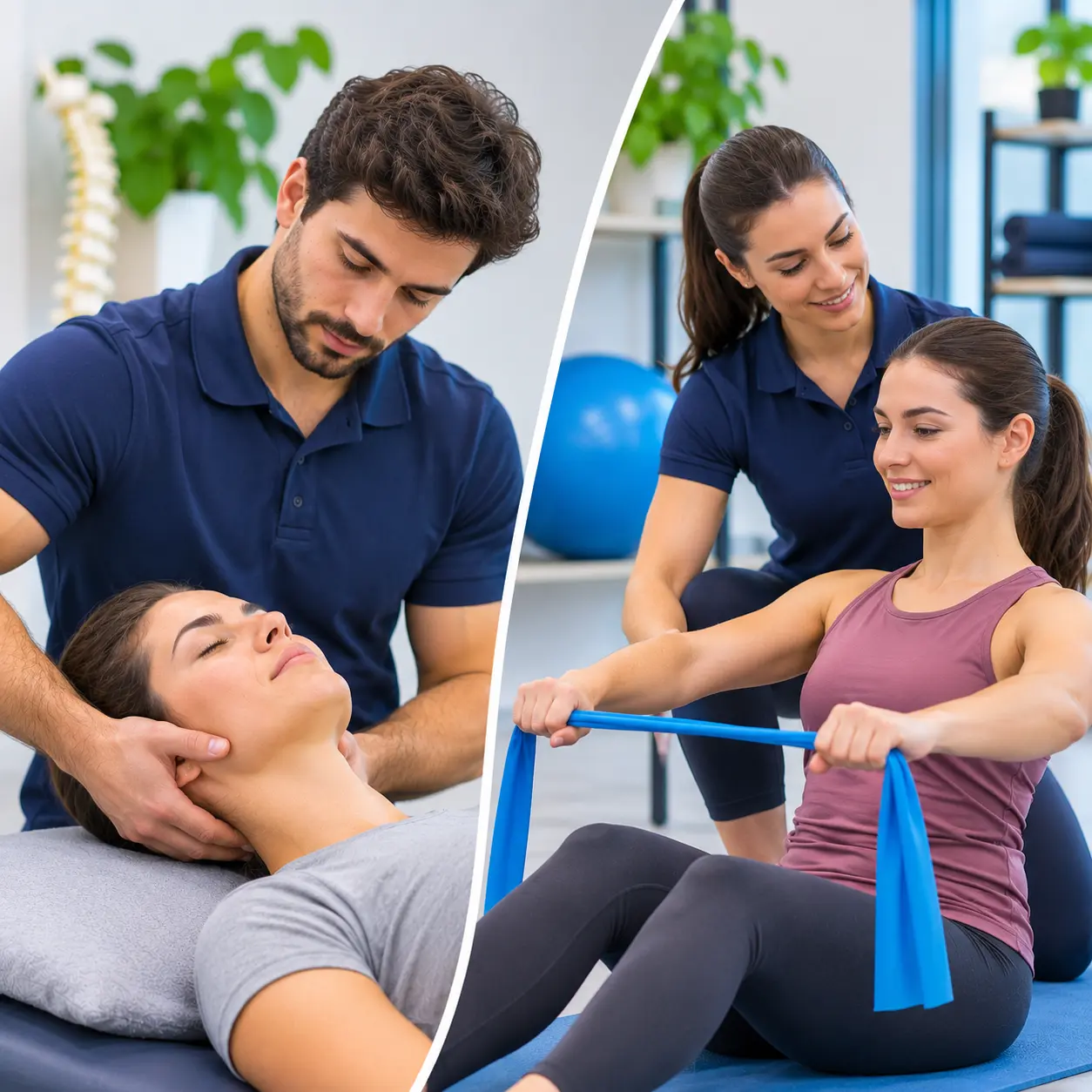
An assessment may start with a discussion about the symptoms you have noticed. A physiotherapist may ask when they began, how they feel, how frequently they occur, whether particular movements bring them on, and how they affect your daily activities.
Depending on the presentation, the assessment may also involve looking at balance and eye movements. These observations can help the practitioner understand how visual and balance responses work together. The exact assessment will depend on your symptoms, relevant health information, and what you can comfortably tolerate.
Before an appointment, it may be useful to think about whether you experience spinning, dizziness, unsteadiness, visual changes during movement, or concerns about falling. Details about when symptoms occur and what seems to trigger them can help provide context.
A website description cannot determine the cause of symptoms or replace an individual assessment. The assessment is an opportunity for the practitioner to consider your presentation and discuss whether vestibular rehabilitation may be suitable.
What Can a Treatment Plan Include?
If vestibular rehabilitation is considered appropriate, the plan may include exercises selected in response to the assessment findings. The program should reflect the person's symptoms, abilities, and practical goals rather than relying on one routine for every patient.
Depending on individual needs, exercises may include gaze-stabilization activities or balance training. The practitioner may adjust the program in response to how the person manages the activities and how the plan relates to everyday tasks.
The number of appointments and the time needed to work toward particular goals cannot be predicted from general information. Ask the practitioner to explain each exercise, how to perform it safely, and what to do if symptoms change or an activity is unclear.
Why an Individual Approach Matters
Dizziness and imbalance are broad descriptions, and people may use the same words for experiences that differ in sensation, triggers, and impact. A careful history and relevant assessment help avoid assumptions and guide a discussion about possible next steps.
Vestibular rehabilitation should be considered in the context of the individual's symptoms and needs. Ask Axis Wellness about its available physiotherapy services and whether a vestibular assessment is offered.
Insurance Coverage and Direct Billing
Coverage for vestibular rehabilitation may depend on the terms of an individual's extended health or physiotherapy benefits, provider eligibility, remaining limits, and any referral or documentation requirements.
Direct billing, if available, generally means that an eligible claim can be submitted to the insurer on the patient's behalf. It does not guarantee claim approval or full reimbursement. Before booking, check your plan details with your insurer.
Axis Wellness' acceptance of insurance and availability of direct billing have not been confirmed for this draft. Verify these details with the clinic before publishing.
Vestibular Rehabilitation FAQs
Questions We Hear a Lot
What is vestibular rehabilitation?
Vestibular rehabilitation is a physiotherapy-based approach that may be used for people experiencing dizziness, vertigo, imbalance, or difficulty keeping their vision steady during movement. It generally involves an individual assessment and may include a personalized exercise plan with balance or gaze-stability activities.
Who may consider vestibular rehabilitation?
People may ask about vestibular rehabilitation if they experience positional vertigo, dizziness, unsteadiness, difficulty stabilizing their vision during movement, or concerns about balance and falling. Whether it is appropriate depends on an individual assessment.
Does Axis Wellness offer direct billing?
Please contact Axis Wellness to confirm whether direct billing is available for vestibular rehabilitation. Insurance coverage and claim approval depend on your individual plan and provider eligibility.
How do I book a vestibular rehabilitation assessment?
Contact Axis Wellness through its confirmed phone, contact, or online booking channels. Explain the symptoms you have noticed and ask whether the clinic offers a vestibular rehabilitation assessment.
Book or Ask About Vestibular Rehabilitation
If dizziness, vertigo, unsteadiness, or difficulty keeping your vision steady is affecting your daily activities, contact Axis Wellness to ask about available services and assessment options. The clinic can confirm whether vestibular rehabilitation is offered and explain the next steps.
Coverage depends on the terms of each individual insurance plan. Direct billing does not guarantee that a claim will be approved or that the full appointment cost will be covered. Before booking, consider confirming your available physiotherapy benefits, coverage limits, referral requirements, and any required documentation with your insurer.
Please feel free to read our patient’s testimonials on our Google page or leave us a review about your personal experience at Axis Wellness.